Delhi, Haryana and Uttar Pradesh
Woven garments, dresses, embellishment and hand embroidery: hand work and finishing that machinery cannot replicate.
Send your brief and we place it with the factory in our group built for that product. One point of contact from sample to delivery, and the factory bills you directly. No commissions.
Free brief · Reply within 24 hours · No commissions
Every brief
What Delhi NCR makes best
Delhi NCR’s strength is woven garments with detail: dresses, shirts and embellished pieces, finished by hand where a machine can’t do the job.
Brands whose product carries embroidery, embellishment or careful finishing on woven cotton and similar fabrics.
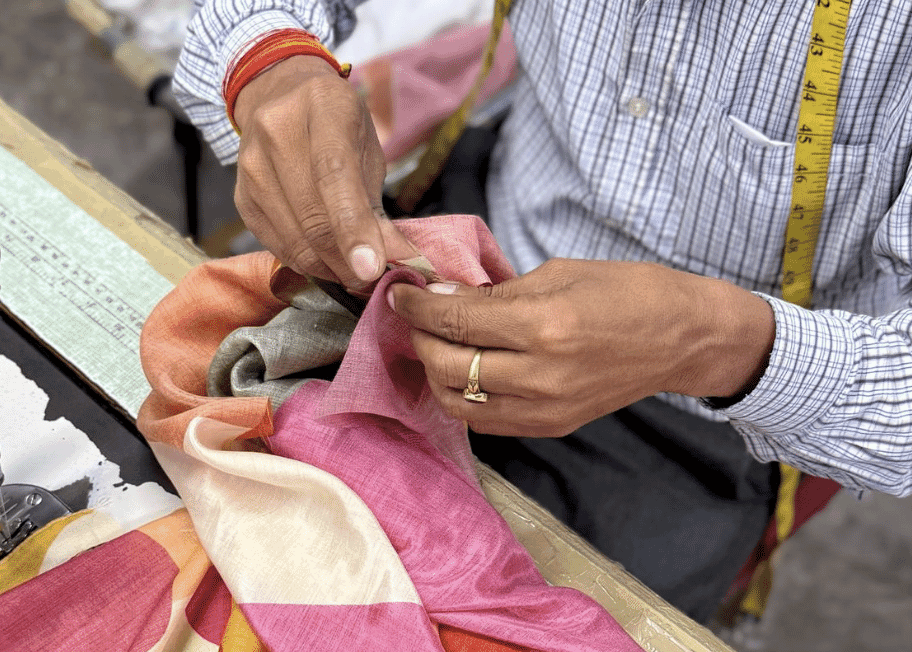
Hand embroidery and hand finishing are the cluster’s edge. The same hand work means pieces vary slightly, which is part of the look.
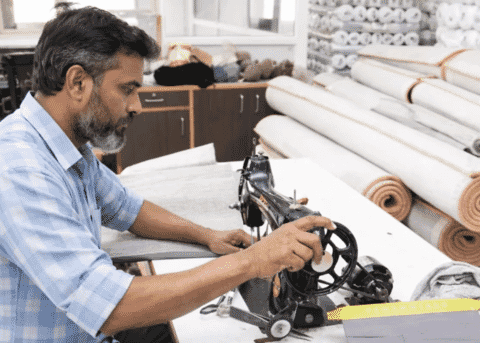
Photo: Checking a collar and seam by handSpecializations describe where a cluster is strongest, not the only thing it makes.
Say whether the fabric is from stock or has to be commissioned, and send the embroidery or embellishment artwork with placement and size.
300pieces
Woven shirt on stock fabric: the roll length sets the floor. Commissioned mill fabric starts around 1,000. Market ranges, not quotes.
Honest limits
Detail is what you pay for here. If the product has none, another cluster will do it better.
Where it struggles
A plain tee at the lowest possible unit price is the wrong brief for Delhi NCR. Its lines earn their keep on detail, and you would be paying for capability you don’t use.
What to do instead
Keep the woven and embellished styles here and place cotton basics in the cluster built for them. One brief can cover both.
Worth knowing
Hand embroidery is not identical across a run. Approve a sample as the standard and agree the acceptable variation in writing before bulk.
If no factory in our group is built for your product, we tell you by email before any fee is discussed.
Minimums and timing
In wovens the constraint sits upstream at the fabric mill, not at the sewing line. These are market ranges from published industry sources, not quotes; we confirm the exact figure with the factory.
Market ranges compiled from published industry sources, not quotes from a named factory. Switching to a stock fabric usually moves a woven minimum more than any negotiation.
BriefReply within 24 hours
We read it, check the fit and quote our fee in writing before any work starts.
Sampling3–5 weeks
Longer if the fabric has to be commissioned. Approve fit, fabric and finish here.
Fabric3–6 weeks
Usually the critical path. Ask for the fabric delivery date, not only the ship date.
Production4–6 weeks
Once fabric is in house: cutting, sewing, finishing and the factory’s own checks.
Shipped12–16 weeks
From approved sample to goods shipped on a first order. Repeat orders: 8–10 weeks.
Plan around the calendar
On the floor
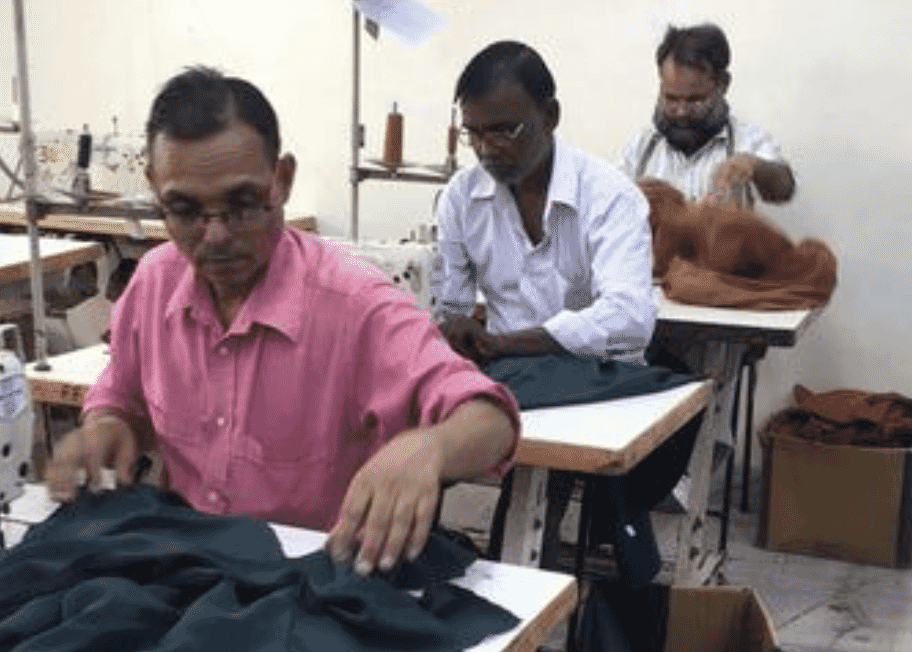
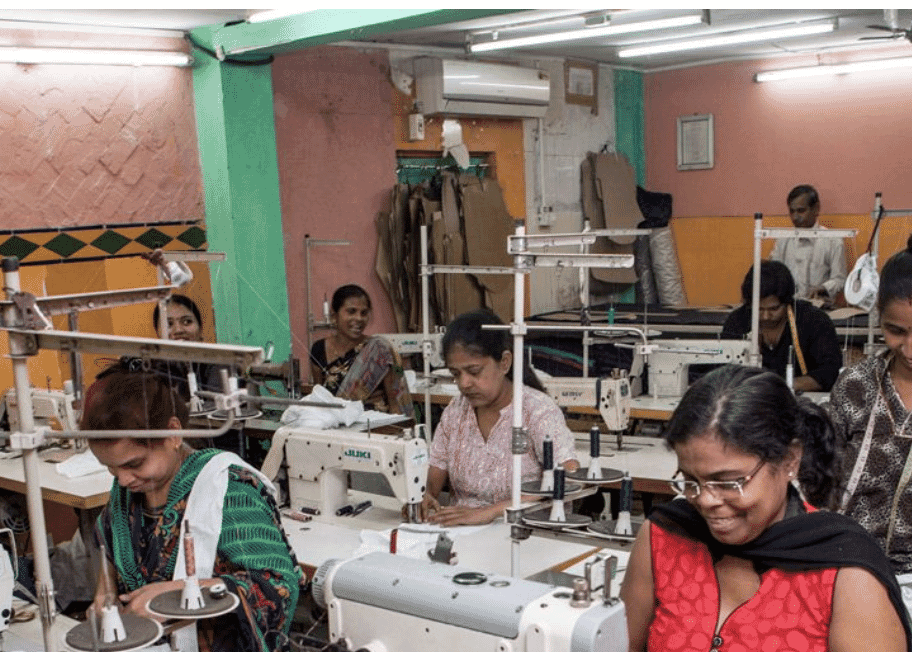
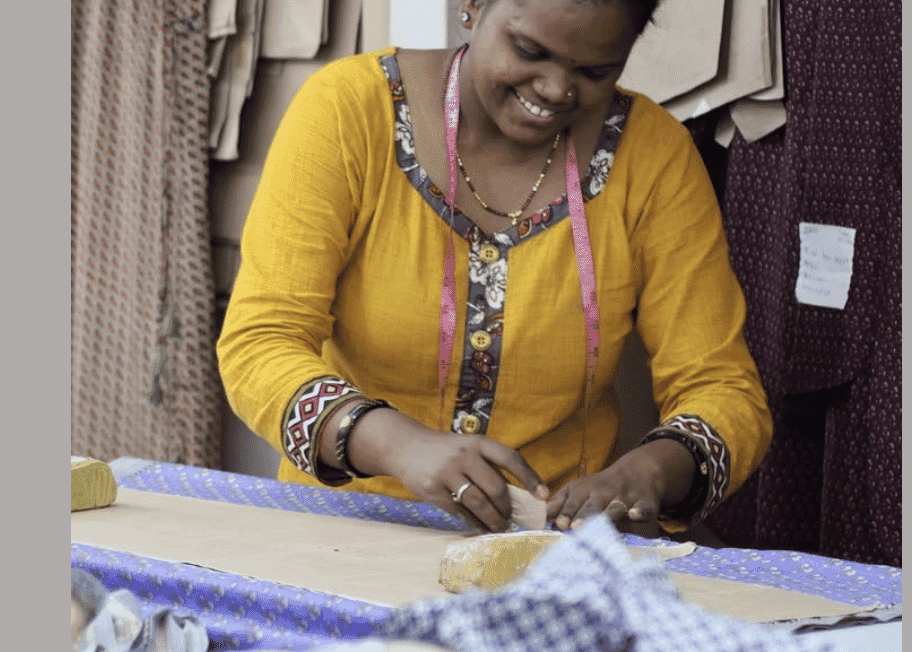
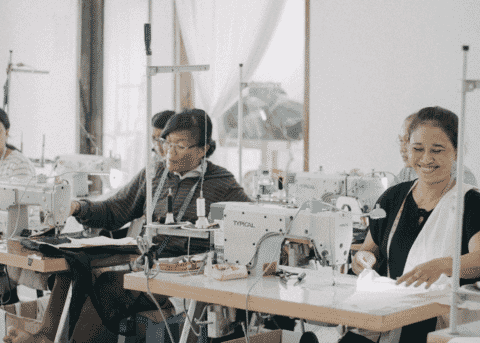
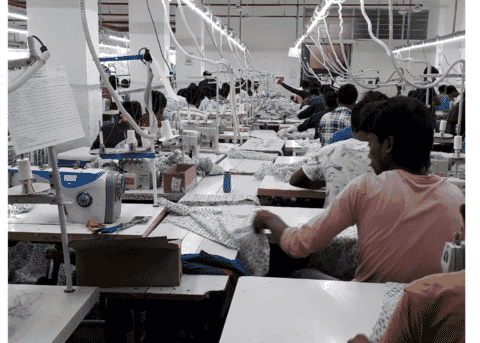
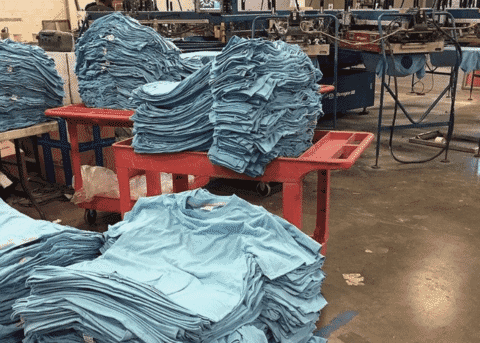
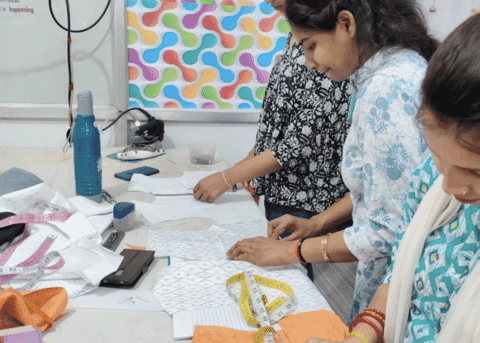
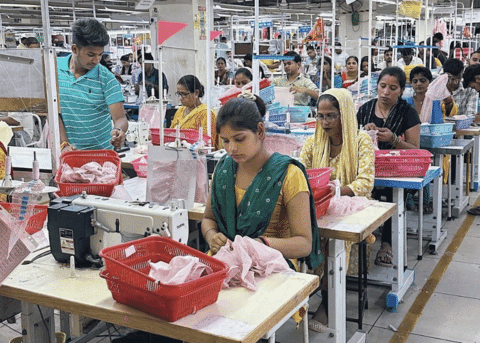
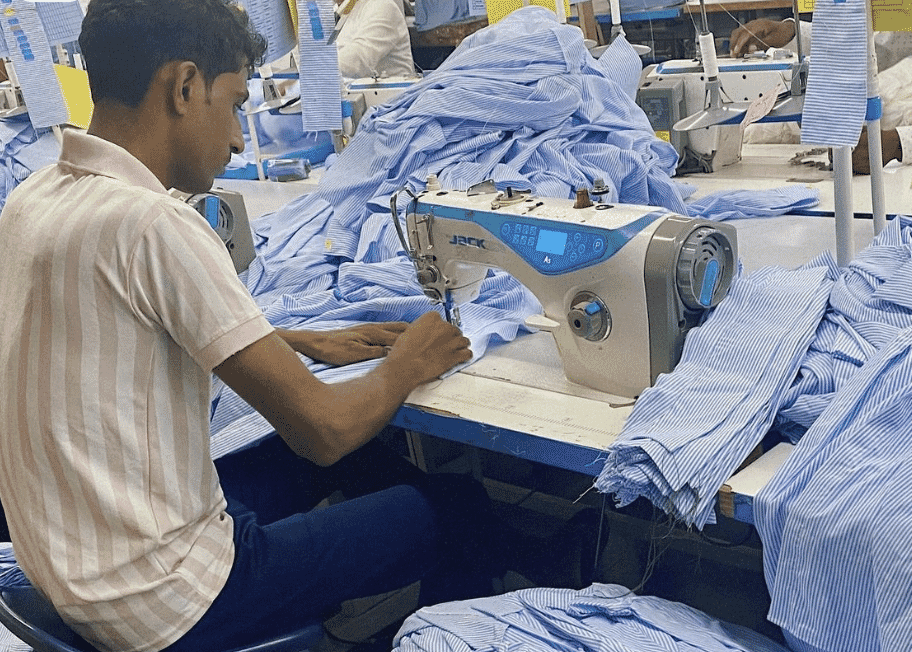
Woven work moves from the cutting table to the machine and back to a hand at the end.
Production photos from garment factories in India. We caption the step, not the place: a photo should never suggest a specific factory.


Questions about Delhi NCR
Minimums, hand work and timing for wovens made in Delhi NCR. If yours isn’t here, put it in your brief.
Ask us directly
Email oneaimapparel@gmail.com. A person on our team replies within 24 hours.
Send a free briefMaking wovens in Delhi NCR
Five questions brands ask before a first run.
Woven garments, dresses, embellishment and hand embroidery, across Noida, Gurgaon, Okhla and Faridabad. Its edge is hand work and finishing that machinery cannot replicate. It is the wrong place for price-driven basics.
About 300 pieces per style on stock fabric, where the roll length sets the floor. If the fabric has to be commissioned from a mill, the mill’s weaving minimum pushes it to around 1,000. Switching to a stock fabric is the lever that moves the number most.
No, and it shouldn’t. Hand work varies piece to piece. Approve a sample as the standard, agree the acceptable variation in writing, and we pass that standard to the factory before bulk.
Plan 3–5 weeks for sampling, longer if the fabric is commissioned, then 12–16 weeks from approved sample to goods shipped on a first order and 8–10 weeks on a repeat.
Diwali (October or November, date moves every year) closes most factories for 1–2 weeks; the monsoon (June to September) slows dyeing.
We place by product, not by city: your brief goes to the factory in our group built for it. The Directory ($39) lists 80+ documented factories with region, specialties, MOQs and certifications.
Send a brief
One short form, read by a person on our team. If a factory in our group is built for it, we place it. If not, we say so, free.
What to put in your brief
Free brief · Reply within 24 hours · No commissions


The form has been successfully submitted.