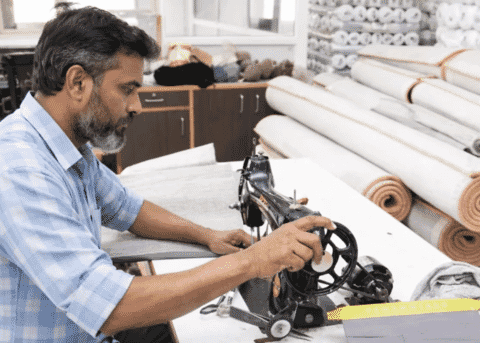
Tamil Nadu · with Coimbatore and Erode
India’s cotton knitwear cluster. Knitting, dyeing and sewing sit in one place, which is why small runs work here.
Tees, polos, jersey, babywear and fleece. Send your brief and we place it with the factory in our group built for that product. One point of contact from sample to delivery, and the factory bills you directly.
Free brief · Reply within 24 hours · No commissions
Every brief
What Tiruppur makes best
Tiruppur is where India makes cut-and-sew cotton knits. Yarn, knitting, dyeing and sewing are close together, so a small run doesn’t wait on a mill in another state.
Brands starting with 100 to 300 pieces per style in cotton jersey, pique or fleece, including organic cotton where the factory holds the certificate.
Knitting, dyeing and sewing sit in one cluster. Nothing upstream sets a high floor, which is why jersey on stock yarn works from 100 pieces.
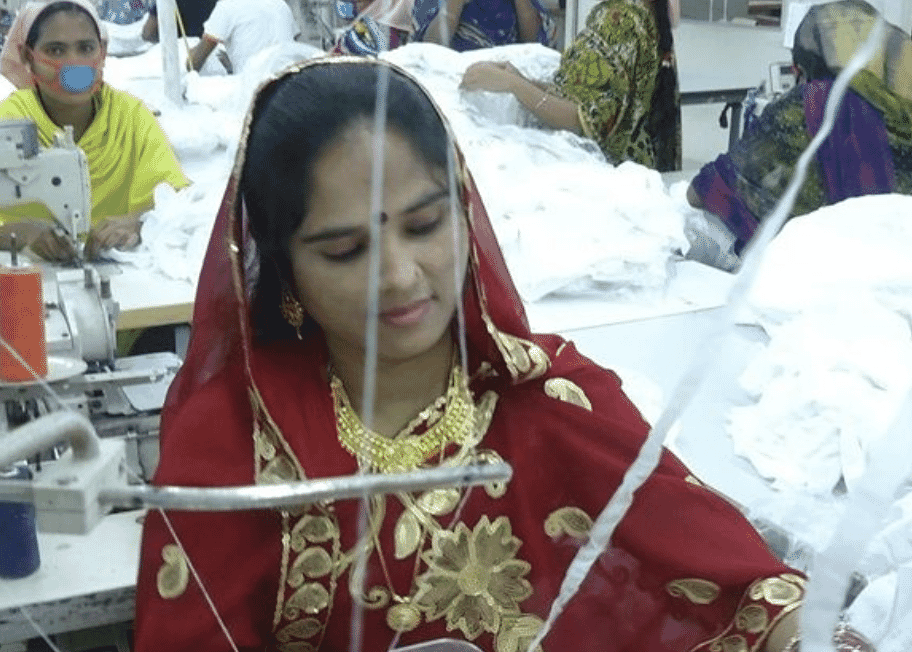
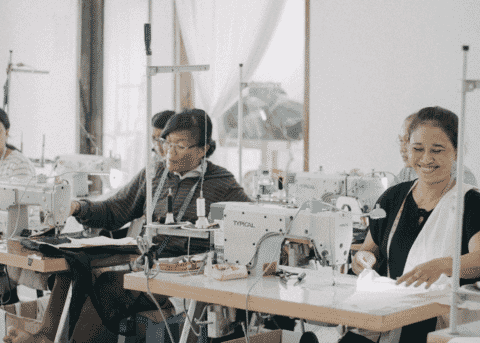
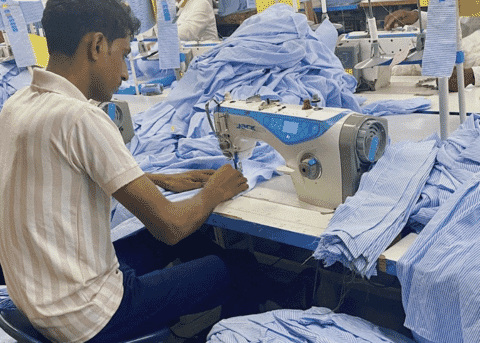
Photo: Sewing white knit garmentsSpecializations describe where a cluster is strongest, not the only thing it makes.
Name the weight in GSM and the fiber (for example combed cotton jersey), whether you need organic certification, and any print or embroidery.
100pieces
Cotton jersey tee on stock yarn. Market range, not a quote: we confirm the exact minimum with the factory.
Honest limits
A cluster built for knits is not built for everything. Saying so before you sample saves you a round.
Where it struggles
Shirting, woven dresses, blazers and coats are not what Tiruppur’s lines are set up for. A knit factory that quotes a structured wool coat is usually subcontracting it, and you pay a coordination margin without being told.
What to do instead
Send woven and winter styles to the clusters built for them. One brief can cover all of it; we place each style with the right factory.
Worth knowing
Bonded seams, laser cutting and recycled technical polyester sit elsewhere. Cotton-rich sport and lounge pieces fit Tiruppur far better than engineered performance kit.
If no factory in our group is built for your product, we tell you by email before any fee is discussed.
Minimums and timing
The minimum is set by the fabric, not the sewing line. These are market ranges from published industry sources, not quotes: we confirm the exact figure with the factory before you commit.
Market ranges compiled from published industry sources, not quotes from a named factory.
BriefReply within 24 hours
We read it, check the fit and quote our fee in writing before any work starts.
Sampling3–5 weeks
Longer if the fabric has to be commissioned. Approve fit, fabric and finish here.
Fabric3–6 weeks
Usually the critical path. Ask for the fabric delivery date, not only the ship date.
Production4–6 weeks
Once fabric is in house: cutting, sewing, finishing and the factory’s own checks.
Shipped12–16 weeks
From approved sample to goods shipped on a first order. Repeat orders: 8–10 weeks.
Plan around the calendar
On the floor
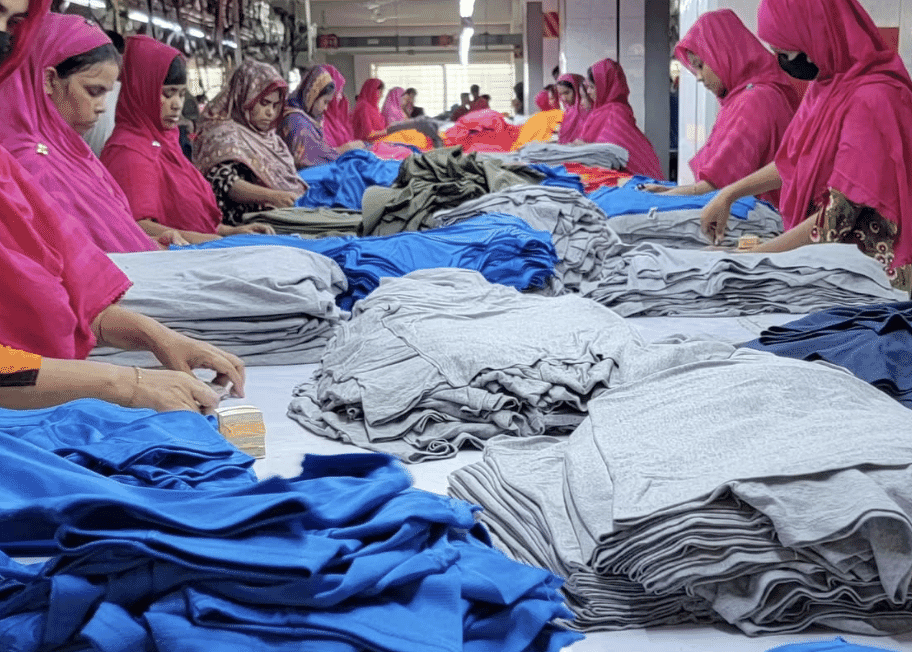
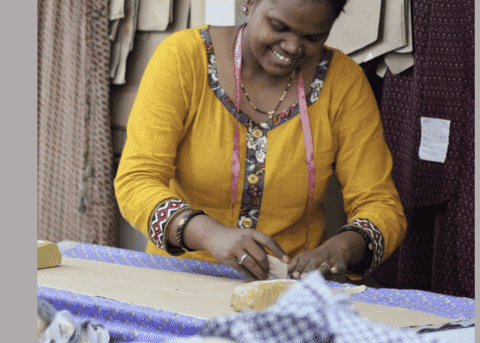
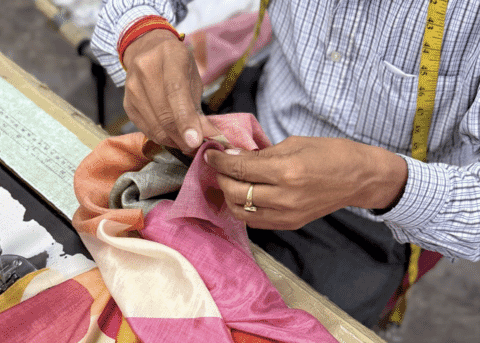
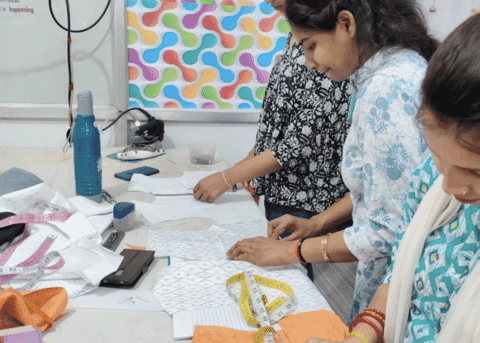
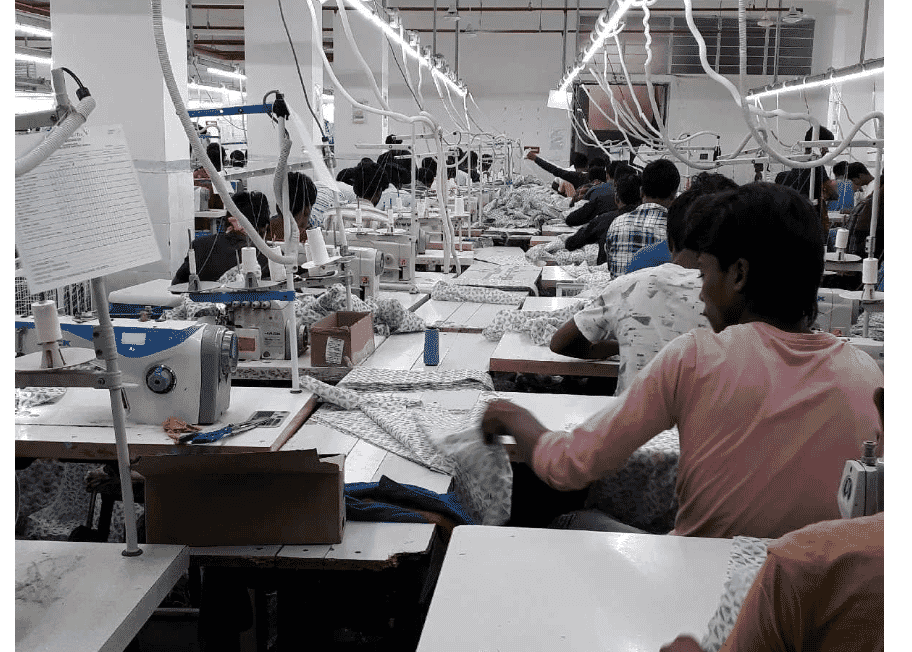
Knits move quickly once the fabric is in: sewing, folding, then a check before packing.
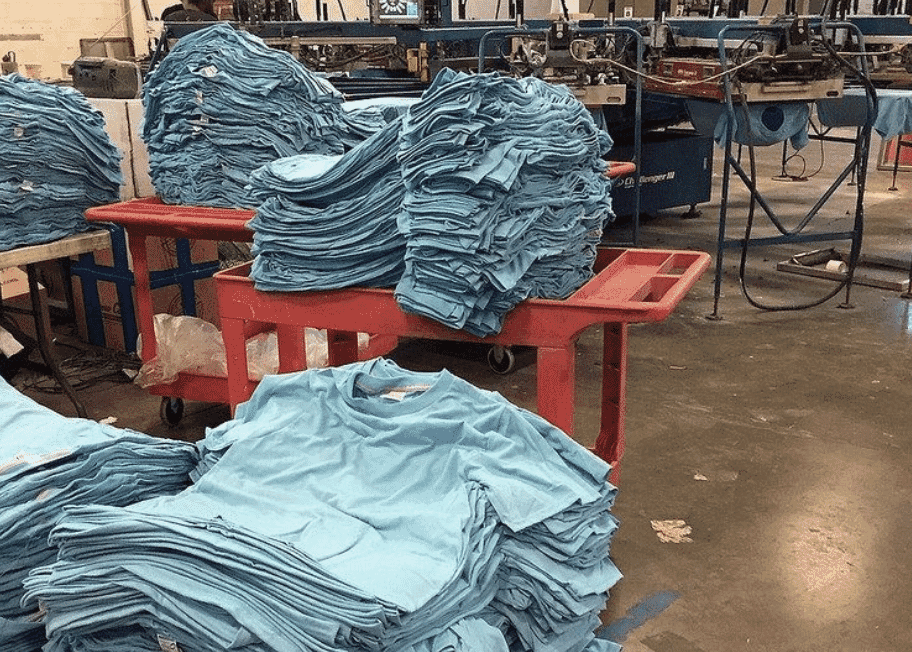
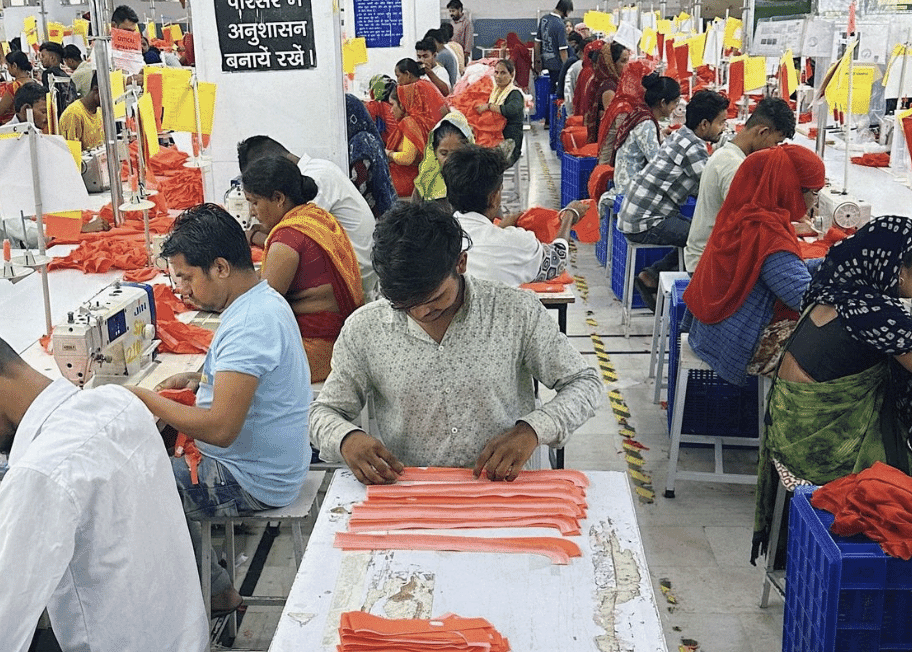
Production photos from garment factories in India. We caption the step, not the place: a photo should never suggest a specific factory.


Questions about Tiruppur
Minimums, timing and duty for knits made in Tiruppur. If yours isn’t here, put it in your brief.
Making knits in Tiruppur
Five questions brands ask before a first run.
Cotton knitwear: t-shirts, polos, jersey tops and babywear, plus fleece. Knitting, dyeing and sewing sit in one cluster, which is why small runs work here. It is the wrong cluster for wovens and structured tailoring.
Yes, on stock yarn. Cotton jersey is workable from 100 pieces per style because nothing upstream sets a higher floor. Polos, fleece and hoodies usually need 150–250 because of trims and collar sourcing. We confirm the exact minimum with the factory before you commit.
Plan 3–5 weeks for sampling, then 12–16 weeks from approved sample to goods shipped on a first order, and 8–10 weeks on a repeat. Fabric (3–6 weeks) is usually the critical path.
Diwali falls in October or November, moves every year and closes most factories for 1–2 weeks. The monsoon (June to September) slows dyeing.
Ordinary duty for the classification plus an 18% reciprocal tariff (US and India joint statement, 6 February 2026). On a cotton knit tee (HTS 6109.10.00) the ordinary rate is 16.5%, so total duty is roughly a third of customs value. The 2026 position is still moving; check your classification with your customs broker.
We place by product, not by city: your brief goes to the factory in our group built for it, and for cotton knits that means a knit specialist. The Directory ($39) lists 80+ documented factories with region, specialties, MOQs and certifications.
Send a brief
One short form, read by our team. If a factory in our group is built for it, we place it. If not, we say so, free.
What to put in your brief
Free brief · Reply within 24 hours · No commissions


The form has been successfully submitted.