Rajasthan

Clothing manufacturers in Jaipur

Hand block printing, natural dye and hand craft: traditional technique at commercial volume.

Send your brief and we place it with the factory in our group built for that product. One point of contact from sample to delivery, and the factory bills you directly. No commissions.

Free brief · Reply within 24 hours · No commissions
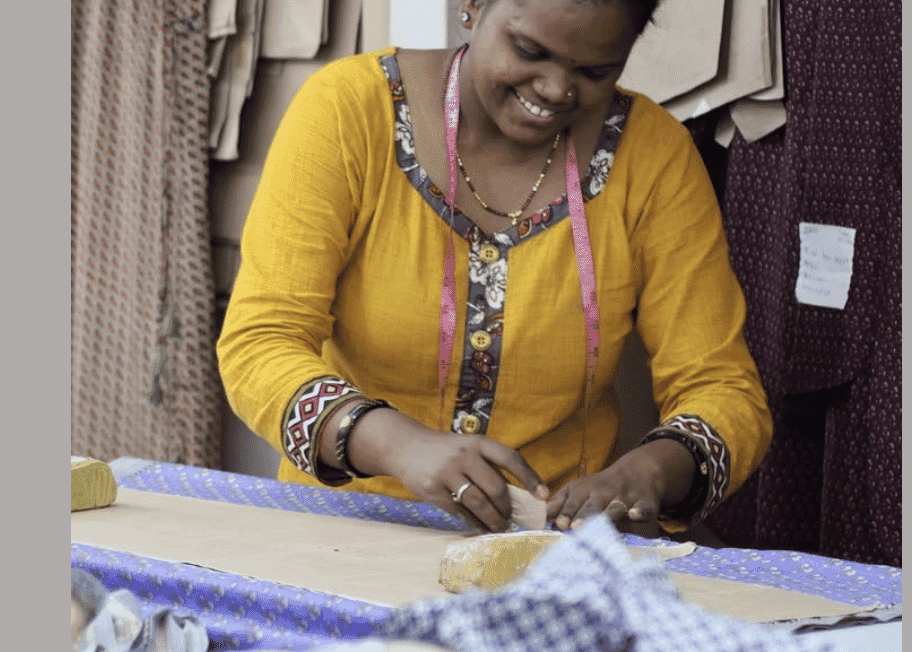
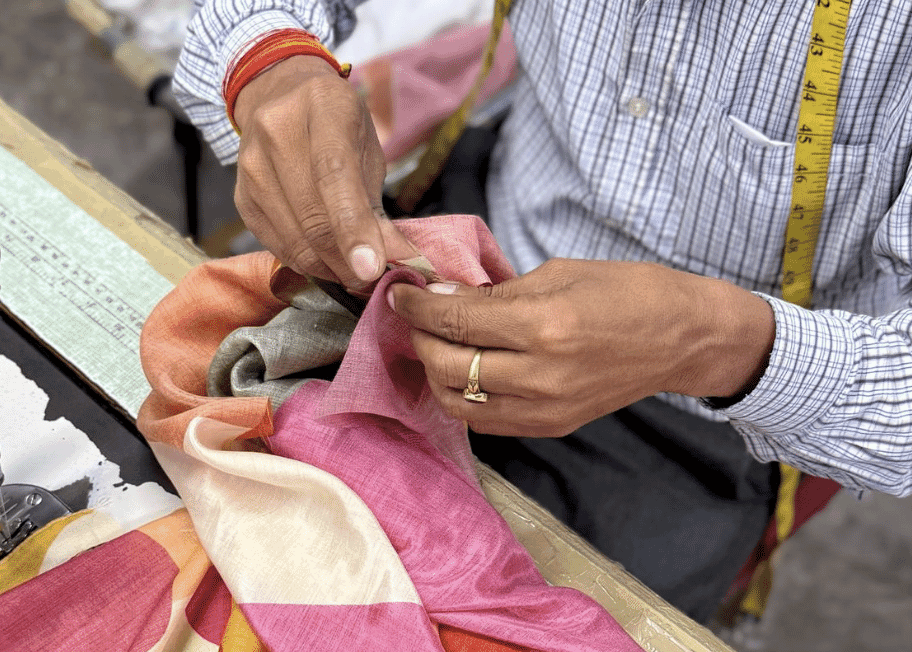
A worker hand finishing woven fabric on a cutting table
150–300
pieces per style
block print, set by the printing table
Hand finishing on a cutting table
  • StateRajasthan
  • Best forHand block print, natural dye, hand craft
  • Weak onConsistency across large repeat runs
Every brief

  • Free brief
  • Reply in 24 hours
  • From 100 pcs per style
  • No commissions
  • 80+ documented factories

What Jaipur makes best

Printed by hand, at a brand’s volume

Jaipur is where India prints by hand. Block printing and natural dye are practiced here at a volume that suits a brand’s run, not only a one-off piece.

Best for

Printed dresses, tops and textiles

Brands that want a hand block print or natural-dye look that a digital print can’t copy.

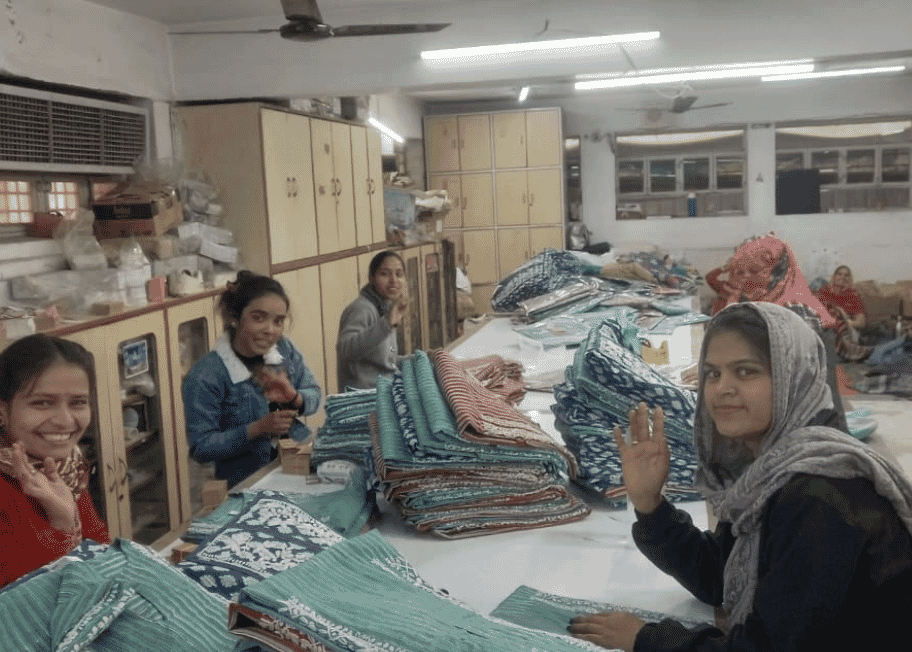
Workers folding stacks of hand block printed cotton textiles
Why it works here

Traditional technique, commercial volume

Hand block printing and natural dye at a scale that works for a collection. Each print carries the small marks of the hand, and that is the point.

Photo: Folding hand block printed textiles
What it makes
  • Hand block print
  • Natural dye
  • Printed dresses and tops
  • Hand craft

Specializations describe where a cluster is strongest, not the only thing it makes.

Put this in your brief

Artwork, repeat and colors

Send the print artwork with its repeat size and number of colors (each color is usually its own block), the base fabric, and whether you need natural dye.

Market floor

150–300pieces

Block print and hand work. The batch size of the printing table sets the floor. Market range, not a quote.

Honest limits

Where Jaipur is the wrong call

Hand printing is beautiful and it is not a machine. Plan for that and it works; ignore it and a big repeat order will disappoint you.

Where it struggles

Consistency across large repeat runs
Hand printing and natural dye vary from batch to batch. For a large program that has to match exactly across repeats, that variation is a risk, not a feature.

What to do instead

Use hand print where the variation is the point

Keep the printed styles here and set the tolerance in writing. For machine-consistent basics or large repeat programs, place those styles elsewhere.

Worth knowing

Hand work varies piece to piece

Approve a sample as the standard and agree the acceptable variation in writing before bulk. Order the full quantity in one run where you can: a re-run is a new batch.

If no factory in our group is built for your product, we tell you by email before any fee is discussed.

Minimums and timing

What sets the minimum in Jaipur

For hand print the printing table sets the floor; for the garment, the fabric does. These are market ranges from published industry sources, not quotes; we confirm the exact figure with the factory.

Print and hand work

  • Hand block printThe batch size of the printing table.150–300Print batch
  • Other hand workDepends on the design and the technique.Per briefConfirmed per brief

The garment underneath

  • Woven top or shirt, stock fabricThe roll length sets the floor.300Stock fabric
  • Woven dress, commissioned fabricThe mill’s own weaving minimum.1,000+Mill fabric

Market ranges compiled from published industry sources, not quotes from a named factory.

From brief to shipped

  1. BriefReply within 24 hours

    We read it, check the fit and quote our fee in writing before any work starts.

  2. Sampling3–5 weeks

    Longer if the fabric has to be commissioned. Approve fit, fabric and finish here.

  3. Fabric3–6 weeks

    Usually the critical path. Ask for the fabric delivery date, not only the ship date.

  4. Production4–6 weeks

    Once fabric is in house: cutting, sewing, finishing and the factory’s own checks.

  5. Shipped12–16 weeks

    From approved sample to goods shipped on a first order. Repeat orders: 8–10 weeks.

Plan around the calendar

  • Monsoon: June to September. Humidity slows dyeing and drying, which matters most for natural dye and printed fabric.
  • Diwali: October or November, and the date moves every year. Most factories close for 1–2 weeks, with slower output a week either side.
  • Hand print: Each color and each re-run is a new batch. Approve the strike-off before bulk printing starts.

On the floor

Hand work, step by step

Pattern cutting, hand finishing and a close check on every seam.

Production photos from garment factories in India. We caption the step, not the place: a photo should never suggest a specific factory.

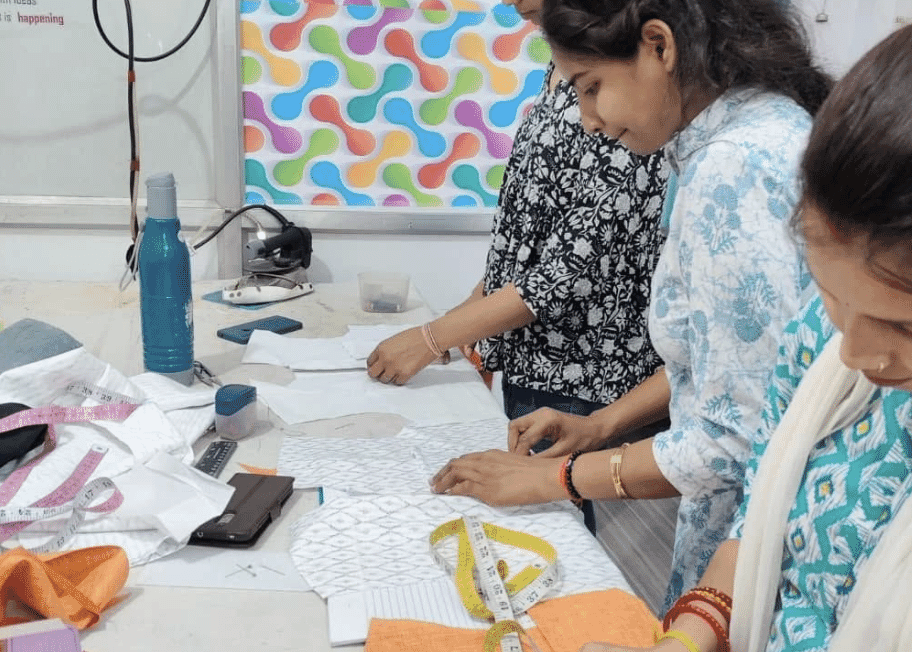
  • Pattern makers marking and cutting on a sampling table
    Pattern cuttingMarking patterns on the cutting table
  • Hands checking the collar and seams of a printed woven garment
    Collar checkChecking a collar and seam by hand
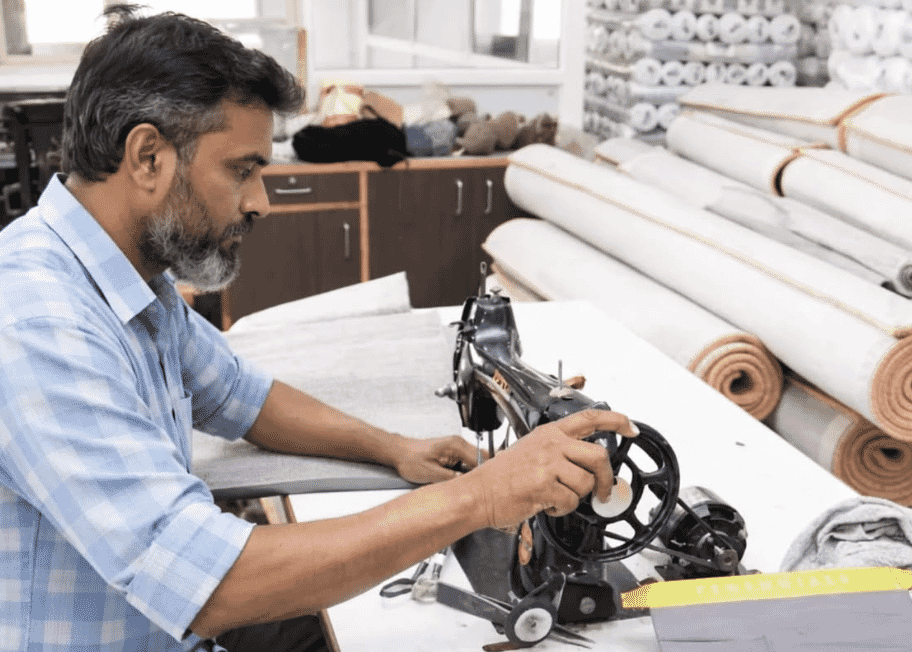
  • A sample maker at a hand-wheel sewing machine beside rolls of fabric
    Sample roomSample maker at a hand-wheel machine beside fabric rolls

Questions about Jaipur

Jaipur, answered

Minimums, variation and timing for hand print and craft. If yours isn’t here, put it in your brief.

Ask us directly

Email oneaimapparel@gmail.com. A person on our team replies within 24 hours.

Send a free brief

Making hand-printed pieces in Jaipur

Five questions brands ask before a first run.

Hand block printing, natural dye and hand craft: traditional technique at commercial volume. It is the wrong cluster when a large repeat program has to match exactly every time.

Usually 150–300 pieces per style, set by the batch size of the printing table. The garment underneath adds its own floor: about 300 on stock woven fabric, around 1,000 if the fabric is commissioned. These are market ranges, not quotes.

No. Hand printing and natural dye vary from piece to piece and from batch to batch. Approve a sample as the standard and agree the acceptable variation in writing before bulk.

Yes. From June to September humidity slows dyeing and drying, so we add buffer to anything dyed or printed in that window. Diwali (October or November, date moves every year) closes most factories for 1–2 weeks.

We place by product, not by city: your brief goes to the factory in our group built for it. The Directory ($39) lists 80+ documented factories with region, specialties, MOQs and certifications.

Send a brief

Have a print in mind? Send us the artwork.

One short form, read by a person on our team. If a factory in our group is built for it, we place it. If not, we say so, free.

What to put in your brief

  • Product
  • Pieces per style
  • Fabric
  • Target price
  • Ship date

Free brief · Reply within 24 hours · No commissions

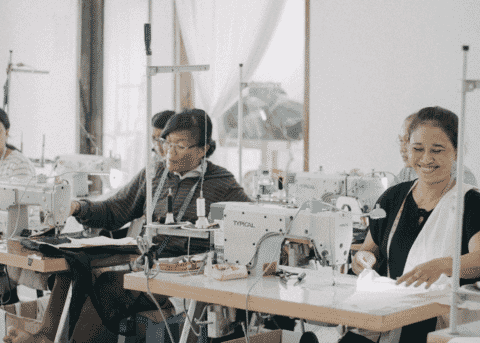
Two machinists sewing samples in a bright workroom
Sampling
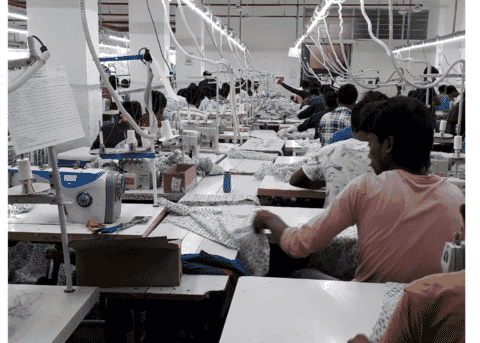
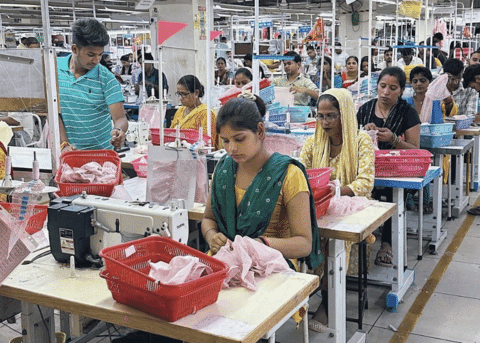
Rows of sewing stations on a large garment factory floor in India
Sewing floor
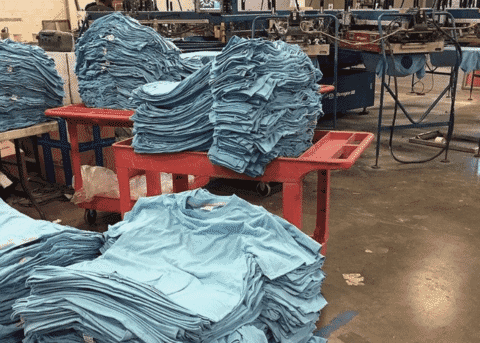
Stacks of finished light blue t-shirts on tables waiting for inspection
Ready for inspection
Sewing operators working through bundles of pink garments in red crates
Sewing line
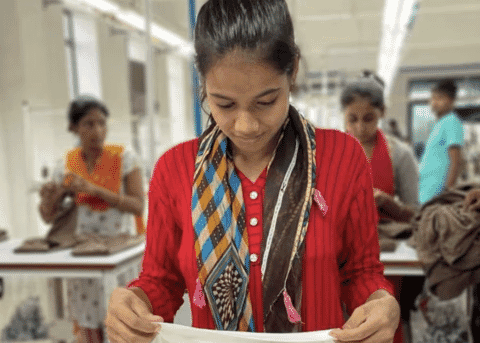
A worker checking a finished garment piece for defects
Checking a piece
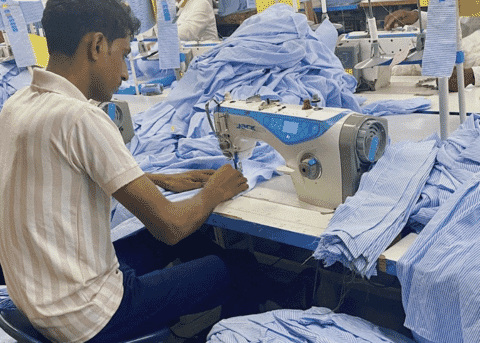
An operator sewing blue striped woven shirts on a single-needle machine
Woven shirts