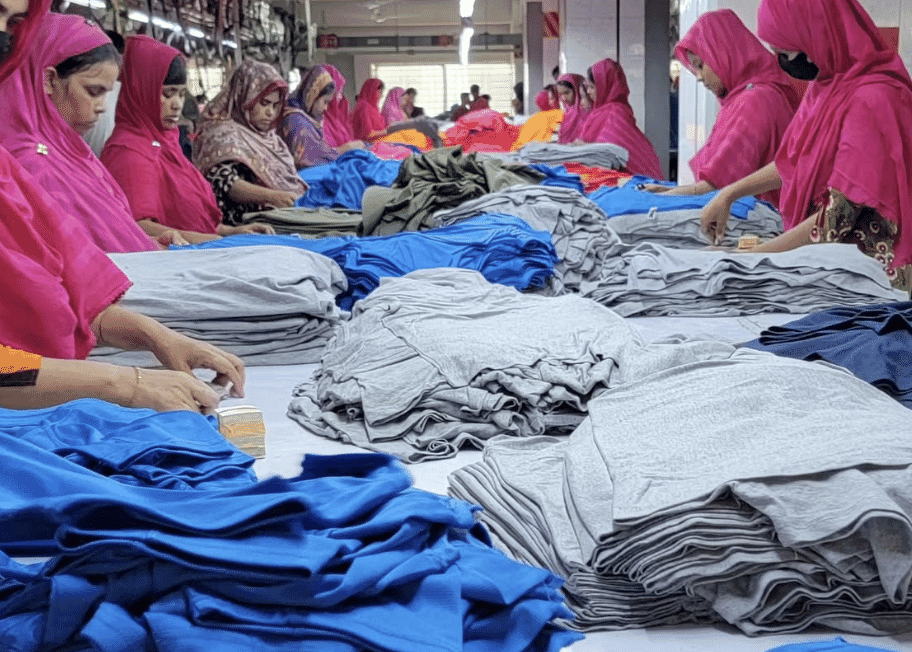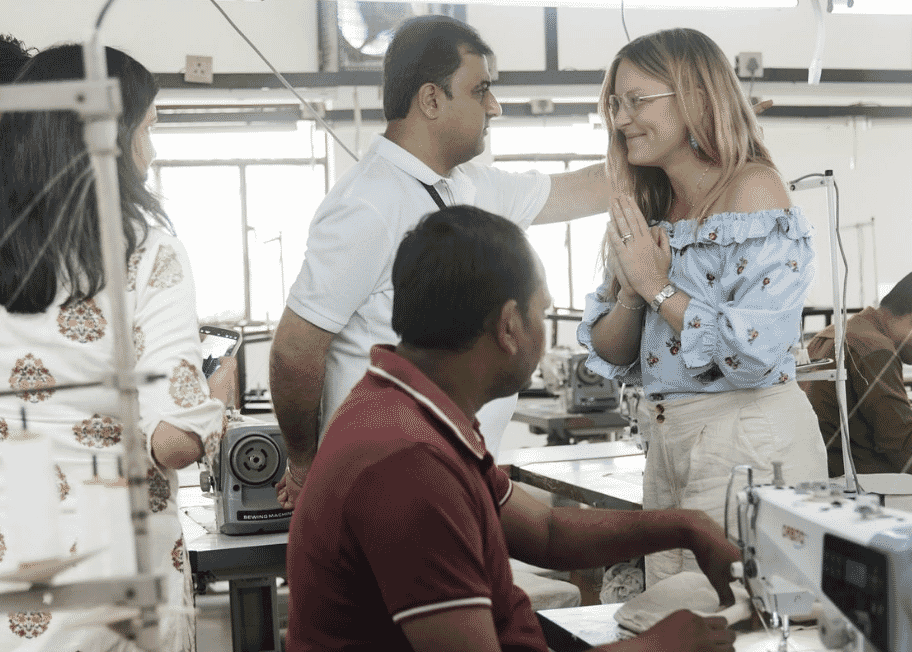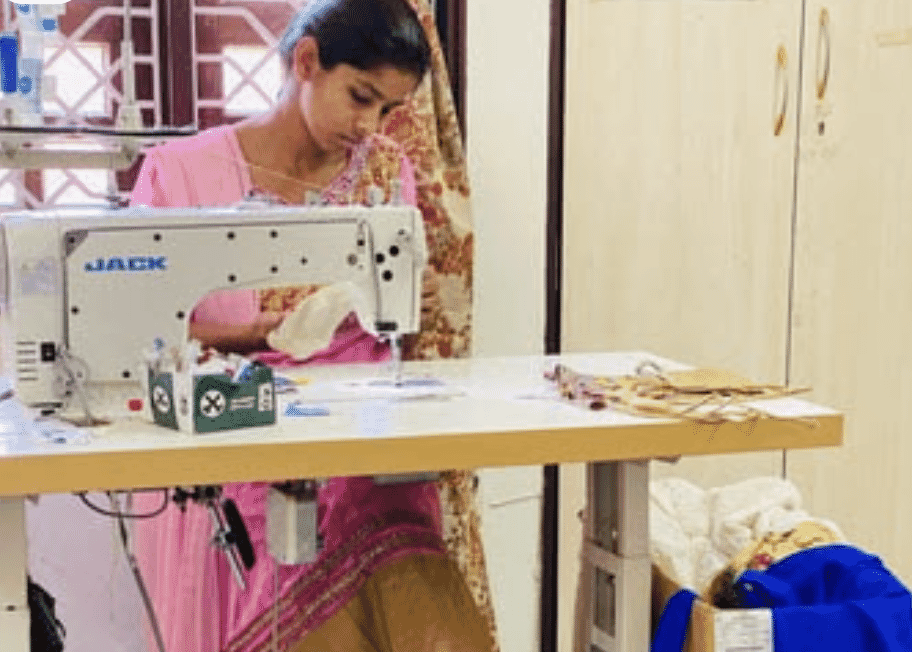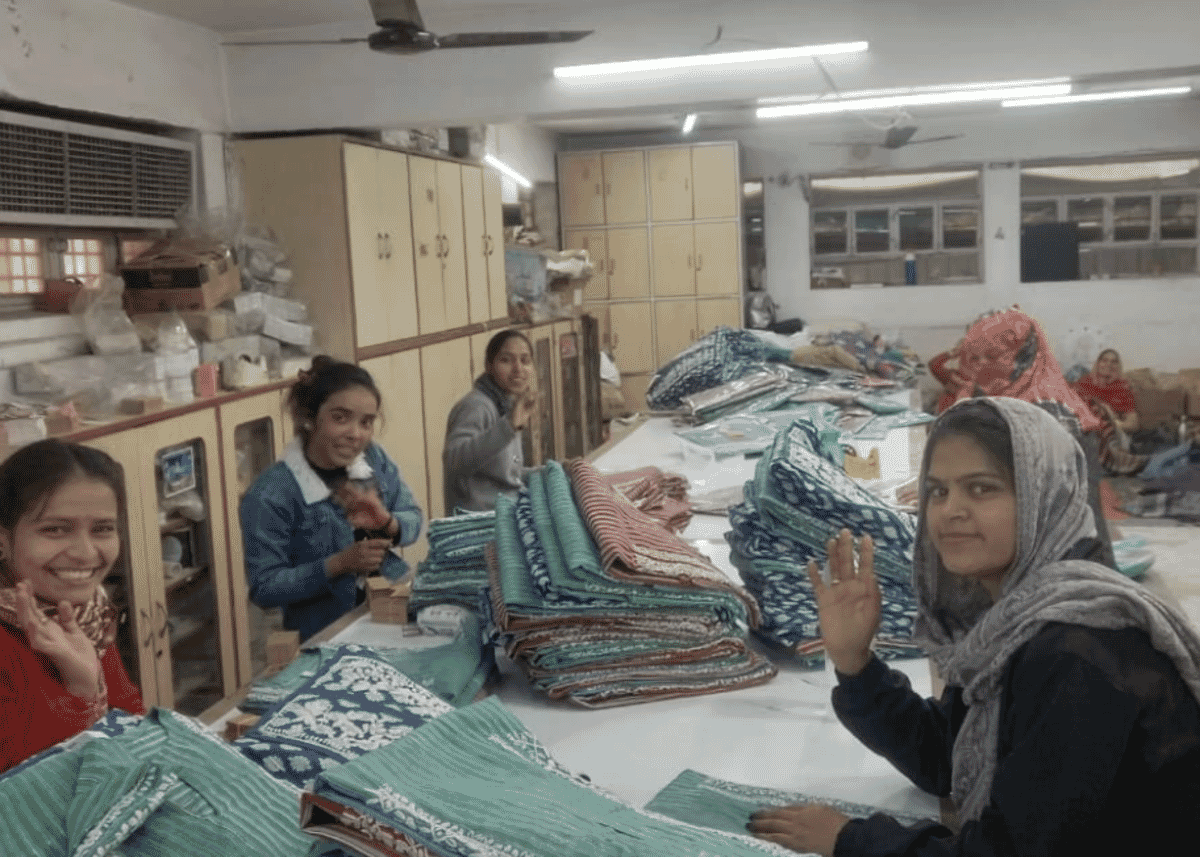
India is strong in cotton sportswear and weaker in technical sportswear, and the gap between those two sentences is where most sourcing projects in this category go wrong. Club kit, training tees, cotton-rich polos and sublimated jerseys work well here. Engineered performance knit, bonded seams and laser-cut ventilation do not.
The reason is fibre rather than skill. India's strength is a complete domestic cotton chain; its synthetic chain is deep in commodity polyester and thin in the engineered performance fabrics that modern sportswear is built from.
This guide to sportswear manufacturers in India covers what India genuinely does well in sportswear, what drives minimums and cost, how sublimation changes the arithmetic for team kit, what to specify, and where you should be sourcing elsewhere.
Note: India Clothing Factory is a group of documented clothing factories in India, producing for brands from 100 units. The strengths and limits in this guide are our editorial assessment, not a published ranking or a price survey. We confirm exact MOQ and price with the factory when you send a brief.
Key takeaways
- India is strong in cotton and cotton-rich sportswear and sublimated polyester team kit.
- It is weak in engineered performance knit, bonded seams and laser finishing. Quotes for these usually mean imported fabric.
- Sublimation is the category's key technology: it prints per garment, so small team kit runs with individual names are viable.
- Minimums follow the fabric: our group places production from 100 pieces per style, and a dyed or imported performance fabric brings its own mill minimum on top.
- Moisture management is often a finish, not a fibre structure. Ask which, and get it tested.
- Flatlock and coverstitch machinery is widely available. Bonding and welding is not.
- Test wicking, stretch recovery and colour fastness to perspiration, not just shrinkage.
What Sportswear Can India Actually Make?
Three categories well and one poorly, and the split runs along the fibre rather than the garment. Being clear about it early saves a sampling cycle you will not get back. Ask where the knit comes from before ranging the product.
| Product | India’s position | Why |
|---|---|---|
| Cotton and cotton-rich training wear | Strong | Complete domestic cotton chain, low minimums in Tiruppur |
| Sublimated polyester team kit | Strong | Printing per garment removes the fabric minimum |
| Basic poly and poly-blend performance tees | Adequate | Commodity polyester is plentiful; the finish is bought in |
| Fleece and cotton-blend tracksuits | Strong | Ludhiana and Tiruppur both have depth |
| Engineered performance knit | Weak | Fabric is often imported, which removes most of the cost and lead-time advantage |
| Bonded and welded construction | Weak | Machinery is not widely installed |
| Compression and high-stretch technical | Variable | Depends entirely on whether the elastane fabric is domestic |
Positions are our editorial assessment, not a published ranking. The position column reflects competitive depth rather than whether individual units can produce the item at all.
The last row is worth reading carefully. High-stretch technical product is sometimes excellent from India and sometimes disappointing, and the variable is whether the elastane-blend fabric was made domestically or imported. Ask which before you assess the quote. Our guide to activewear manufacturers in India sets out the questions that establish where the fabric comes from.
Citation Capsule: Indian sportswear manufacturing is competitive in cotton and cotton-rich training wear, sublimated polyester team kit, basic poly-blend performance tees and fleece tracksuits. It is weak in engineered performance knit, bonded and welded construction, because the fabric is often imported and the machinery is not widely installed. High-stretch technical product varies with whether the elastane-blend fabric is domestic.
Related reading: Activewear manufacturers in India · T-shirt manufacturers in India · Uniform manufacturers in India · Workwear Manufacturers in India · Sock Manufacturers in India
Where Are Sportswear Manufacturers in India Located?
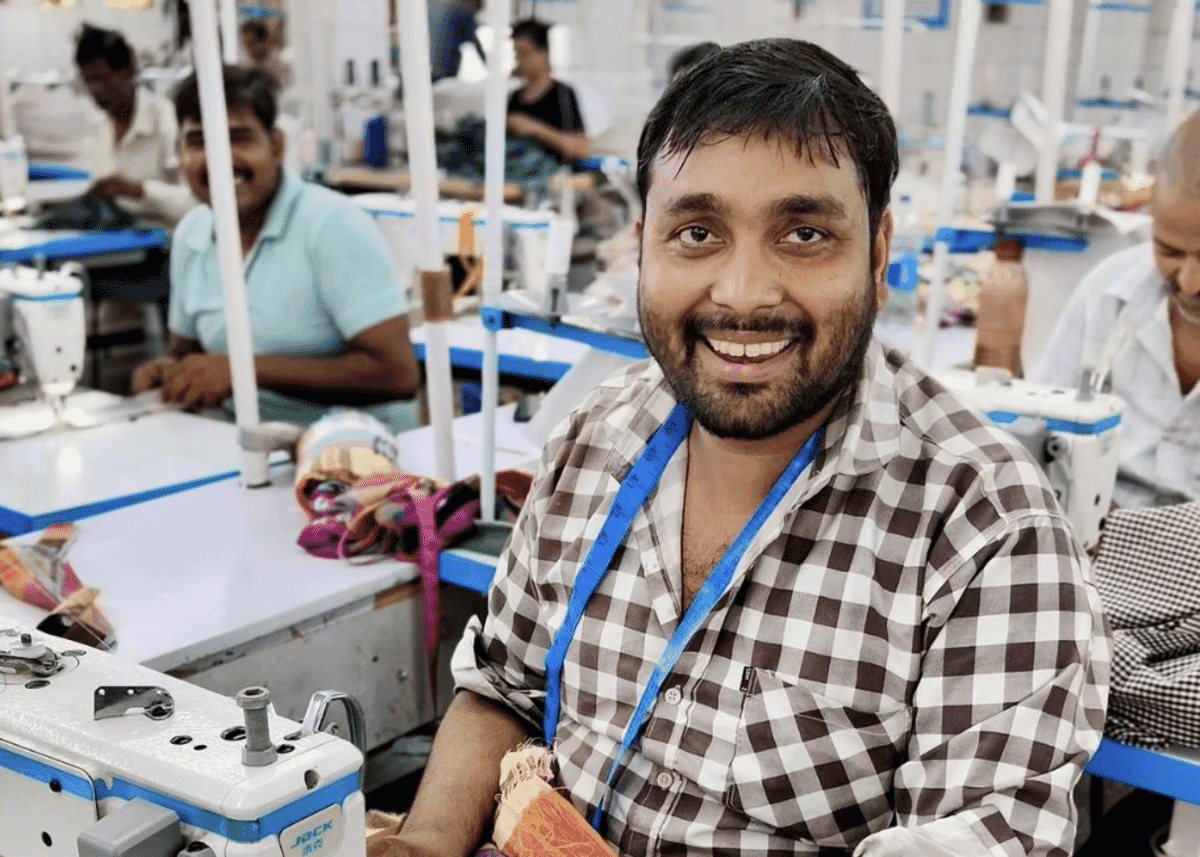
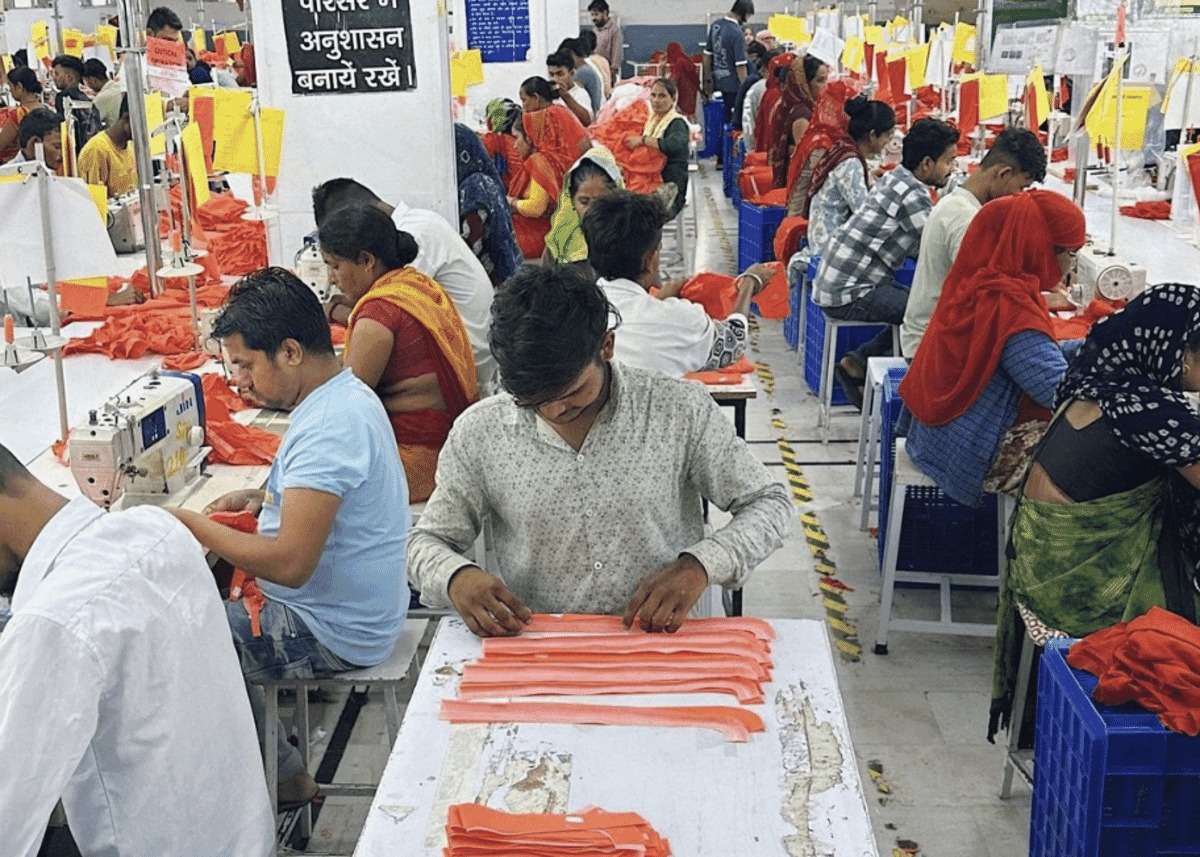
In three places, for three different reasons. Tiruppur for knit-based product, Ludhiana for fleece and winter training wear, and Jalandhar, whose trade grew up around sports goods rather than apparel (The Indian Express). Tiruppur is the default for anything cotton or cotton-rich, and many of its units also make poly-blend performance tees. Its advantage is the same as in every knit category: the chain is local, so small orders do not accumulate coordination cost.
Jalandhar is the one outsiders miss. Its sports goods makers sell to clubs and teams, and some of them also supply team kit; ask whether the apparel is made in-house or bought in.
Ludhiana handles the heavier end: fleece, tracksuits, training tops in brushed fabric and anything for a cold-weather season. It makes the largest share of India's winter clothing, known above all for woollen sweaters and cotton T-shirts (Wikipedia, Ludhiana).
Why Does Sublimation Change the Arithmetic?
Because it prints the garment rather than the fabric, which moves the minimum from the mill to the printer. A sublimated jersey starts as white polyester, is printed with the design and the numbering, and is then cut and sewn, so there is no dyed fabric lot to commit to.
That single fact is why team kit, which is a market of small orders with unique designs and individual names and numbers, is economically viable in a way that no dyed-fabric option would be. An order with a different name on every shirt is a normal order rather than an absurd one.
The trade-offs are real. Sublimation works on polyester and works poorly on cotton or cotton-rich blends, so a sublimated garment is a synthetic garment. Colour on the white base is excellent; colour on any pre-dyed base is not achievable this way.
Citation Capsule: Dye-sublimation printing applies the design to the garment rather than to the fabric, which removes the dyed fabric lot minimum and makes small, personalised team kit orders viable. It requires a polyester base and does not work on cotton or cotton-rich blends, so a sublimated garment is necessarily a synthetic one, printed from a white base.
No tech pack yet? Factories quote from specifications, not from photographs. A factory-ready single-style tech pack is $79: measurements, construction, fabric, trims and labelling in the format an Indian factory costs from.
Is Moisture Management Real or a Finish?
Often it is a finish, and that distinction matters because finishes wash out and fibre structures do not. Engineered moisture management builds the wicking behaviour into the yarn cross-section and the knit structure. A chemical finish applies it to the surface of an ordinary polyester.
Neither is dishonest, and a good finish performs well when new. The difference appears after repeated washing, which is exactly when your customer forms an opinion about the product and well after your inspection passed.
Ask which one you are being offered and ask for a wash-tested result rather than a specification sheet. A wicking claim tested after a single wash tells you little about a garment people wear every week. Test methods for wicking, stretch recovery and pilling are published by bodies such as ASTM International; ask the lab which method it used and after how many washes.
What to test on performance sportswear
- Wicking rate after repeated washes (for example 20), not after one, because finishes degrade
- Stretch and recovery, measured after repeated extension rather than once
- Colour fastness to perspiration, which ordinary fastness testing does not cover
- Seam strength at stress points, particularly gusset and underarm
- Pilling on brushed and fleece surfaces, where it appears fastest
The first line is the one that separates a real performance garment from a finished one. It costs very little to test and it is the claim your customer will judge you on.
What Construction Does Indian Sportswear Use?
Flatlock, coverstitch and overlock, all widely available and well understood. What is not widely available is bonded and welded construction, and that gap defines where a design will and will not translate. Specify the seam type on every panel join.
| Construction | Availability in India | Notes |
|---|---|---|
| Overlock and coverstitch | Universal | The standard for knit sportswear everywhere |
| Flatlock seaming | Widely available | Standard for chafe-reduction in performance product |
| Gusseted construction | Available and well executed | Specify the gusset shape, or the factory will simplify it |
| Taped and reinforced seams | Available | Common on team kit and training wear |
| Bonded seams | Limited | Machinery is not widely installed; expect subcontracting |
| Laser cutting and welding | Rare | Design around it rather than searching for it |
| Heat transfer and sublimation | Strong | The country’s clearest sportswear advantage |
Availability is our editorial assessment. It describes how widely machinery is installed, not whether any single unit possesses it.
Design to what is available rather than searching for what is not. A well-made flatlock seam in a cotton-rich training top is a better product than a poorly executed bonded seam from a unit that installed the machine last month.
What Does Sportswear Cost to Make in India?
Fabric leads, as everywhere, but in this category the print or finish is unusually large as a share. A sublimated jersey carries a printing cost that a plain tee does not, and that cost is per garment rather than amortised across a run.
That shape has a strategic implication. Sublimation is the right technology at small volumes and the wrong one at large ones, where dyed fabric and screen printing recover their set-up costs and win comfortably. Where the crossover sits depends on the design, so ask for both quotes once your volume grows.
Citation Capsule: Sportswear cost structures in India differ by construction. On a cotton training tee fabric dominates, while on a sublimated jersey the print is the second largest cost line and does not decrease with volume because it is applied per garment. This makes sublimation economical at small volumes and uncompetitive at large ones, where dyed fabric and screen printing recover their set-up costs.
How Do You Specify Sportswear?
With the fabric parameters used for any knit, plus three specific to this category: stretch and recovery, moisture behaviour and the construction at stress points. Leaving any of the three open means the factory decides, and the factory will decide in favour of what is fast.
Stretch needs a percentage in both directions and a recovery figure, because a fabric that stretches and does not return produces a garment that bags at the knee and the elbow after two wears. It is a common performance complaint and it is a fabric specification failure.
Construction at stress points needs naming. Gusset shape, underarm seam type, waistband construction and any reinforcement should be drawn rather than described, because these are the points that fail and they are also the points a factory simplifies when the specification is silent.
How Do Team Kit Orders Actually Work?
Differently from most apparel orders, because the quantity is fixed by the squads rather than by a forecast and every garment is slightly different. A league or academy needs shirts with a different name and number on each, goalkeeper variants and coaches' tops, and no dyed-fabric option can serve that economically. Our group places production from 100 pieces per style, so plan the order across squads rather than for one team.
The sequence is white polyester fabric, a printed transfer carrying the design and the personalisation, heat pressed onto the cut panels, and then assembly. Because personalisation happens before sewing, adding names and numbers costs almost nothing extra, which is the opposite of how heat-transfer vinyl behaves.
Lead times are shorter than for a dyed-fabric programme, because there is no fabric lot to dye. The constraint is usually artwork rather than production, and artwork supplied in the wrong format is a common delay.
The practical requirement is a print-ready file. Sublimation needs vector artwork at full garment scale with colour references, and a logo supplied as a low-resolution image is a frequent reason a team kit order stalls before it starts.
Getting a team kit order right first time
- Vector artwork at garment scale, with named colour references rather than screen colours
- A confirmed name and number list before production, since it is printed before sewing
- A size set sample, because sports fits vary between factories
- Fabric weight stated, as lightweight and mid-weight polyester feel very different in play
- A washed print sample, to confirm the colour after the first launder rather than before
Artwork format often causes more team kit delays than production does. A vector file supplied at the start avoids lost time.
Citation Capsule: Team kit orders are produced by printing a sublimation transfer carrying both design and personalisation, heat pressing it onto cut panels before assembly. Because personalisation occurs before sewing, names and numbers add negligible cost. Lead times are shorter than for a dyed-fabric programme, and artwork format rather than production is the usual constraint.
Team kit works differently from retail sportswear because the order is a list of names and numbers rather than a size curve. Sublimation suits it, since printing happens before cutting and personalisation costs little extra per piece. What catches brands out is the approval cycle: every name is a proof, and a delay in approving proofs delays the whole order rather than one garment.
When Should You Source Sportswear Elsewhere?
Three situations, and recognising them early is worth more than any supplier search. They are when an engineered performance knit is itself the product, when bonded and welded construction is central to the design, and when you need very large single-SKU volumes at tight tolerance.
Engineered performance knit is the product. If the fabric is the technology and India is buying it in, there is little advantage left. The cost base and the lead time are set wherever the fabric is made.
Bonded and welded construction is central to the design. The machinery is not widely installed and the units that have it are learning on your order.
You need very large single-SKU volumes with tight tolerance. If one unit cannot hold the whole order, it gets split across units, and consistency between them becomes the problem to manage.
Where India is right in this category it is very right: cotton and cotton-rich training wear at low minimums, sublimated team kit with individual names, and fleece and tracksuit product at genuinely competitive prices, much of it out of the Ludhiana knit cluster.
Citation Capsule: Sportswear specification in India requires standard knit fabric parameters plus three category-specific fields. They are stretch percentage in both directions with a recovery figure, and moisture management stated as either an engineered fibre structure or a chemical finish. The third is named construction at stress points, including gusset shape, underarm seam type and waistband build. Unspecified fields are decided by the factory in favour of production speed.
How Do You Choose Between Sportswear Manufacturers in India?
Decide whether your product is a cotton product, a sublimated product or a technical product, because those three go to three different kinds of unit and two of them are Indian strengths. Ask where the fabric comes from before you assess anything else. A performance fabric made in India and a performance fabric imported into India produce very different economics, and only the first is a reason to be sourcing here, as our guide to Indian fabric manufacturers sets out.
And test after washing. Every meaningful claim in sportswear, wicking, stretch recovery and colour fastness to perspiration, degrades with use, and a test performed on a new garment measures the wrong moment.
Frequently Asked Questions
Is India good for sportswear manufacturing?
For cotton and cotton-rich training wear, sublimated team kit and fleece tracksuits, yes. For engineered performance knit, bonded seams and laser-cut construction, no: the fabric is often imported and the machinery is not widely installed, so India adds little cost or lead-time advantage on those products.
What is the minimum order for sportswear in India?
Our group places production from 100 pieces per style. Above that, the fabric sets the minimum: sublimated kit has no dyed fabric lot, cotton on stock fabric stays close to the sewing minimum, and a performance knit dyed in your colour or imported brings the mill's own minimum.
Why is sublimation cheaper for small sports orders?
Because it prints the garment rather than the fabric, which removes the dyed fabric lot minimum entirely. A different name and number on every jersey is a normal order. It requires a polyester base and cannot be used on cotton or cotton-rich blends, so a sublimated garment is a synthetic one.
Is moisture-wicking fabric from India engineered or a finish?
Often a chemical finish rather than an engineered fibre structure. Both perform well when new, but finishes degrade with washing while fibre structures do not. Ask which you are being offered and request a wicking result tested after repeated washes rather than after one.
What sportswear construction is difficult to get in India?
Bonded seams, laser cutting and welded construction. Overlock, coverstitch, flatlock, gusseted construction and taped seams are all widely available and well executed. Design to what is installed rather than searching for what is not, because a unit learning on your order is the expensive option.
Tell us the fabric, the construction and the quantity. Our team replies within 24 hours, places your production with the factory in our group built for that product, and says plainly when India is the wrong country for it. No commissions. No markups. The factory bills you directly.
Get in contact Download the directory ($49)Need a tech pack? Get a factory-ready single-style tech pack for $79. See what's included.
Editorial note: all company names, certification marks and trademarks referenced here are the property of their respective owners. This guide gives no market prices or tariff figures; the strengths and limits it describes are our editorial assessment. Confirm minimums, cost and lead time directly with the factory before committing.
Sources
- The Indian Express (2020): Jalandhar's sports goods industry.
- Wikipedia, Ludhiana: the city's share of India's winter clothing, woollen sweaters and cotton T-shirts.
- ASTM International: standards covering test methods for textile performance properties.